Great Managers Manage Themselves First
Great Managers Manage Themselves First
The etymology of "manager" traces back to early modern French manege, meaning to handle or train a horse. While amusing, this linguistic origin reveals an outdated paradigm: that management inherently involves controlling subordinates rather than developing mutual respect.
Dee Hock, Visa's founder, challenged conventional management wisdom by asking leaders about their primary responsibility. Most answered with downward-focused perspectives, which Hock considered fundamentally flawed. He advocated that managers should dedicate approximately half their time to self-management, including integrity, character, ethics, and temperament. Remarkably, Hock believed exceptional managers spend only 5% of their time directly managing subordinates.
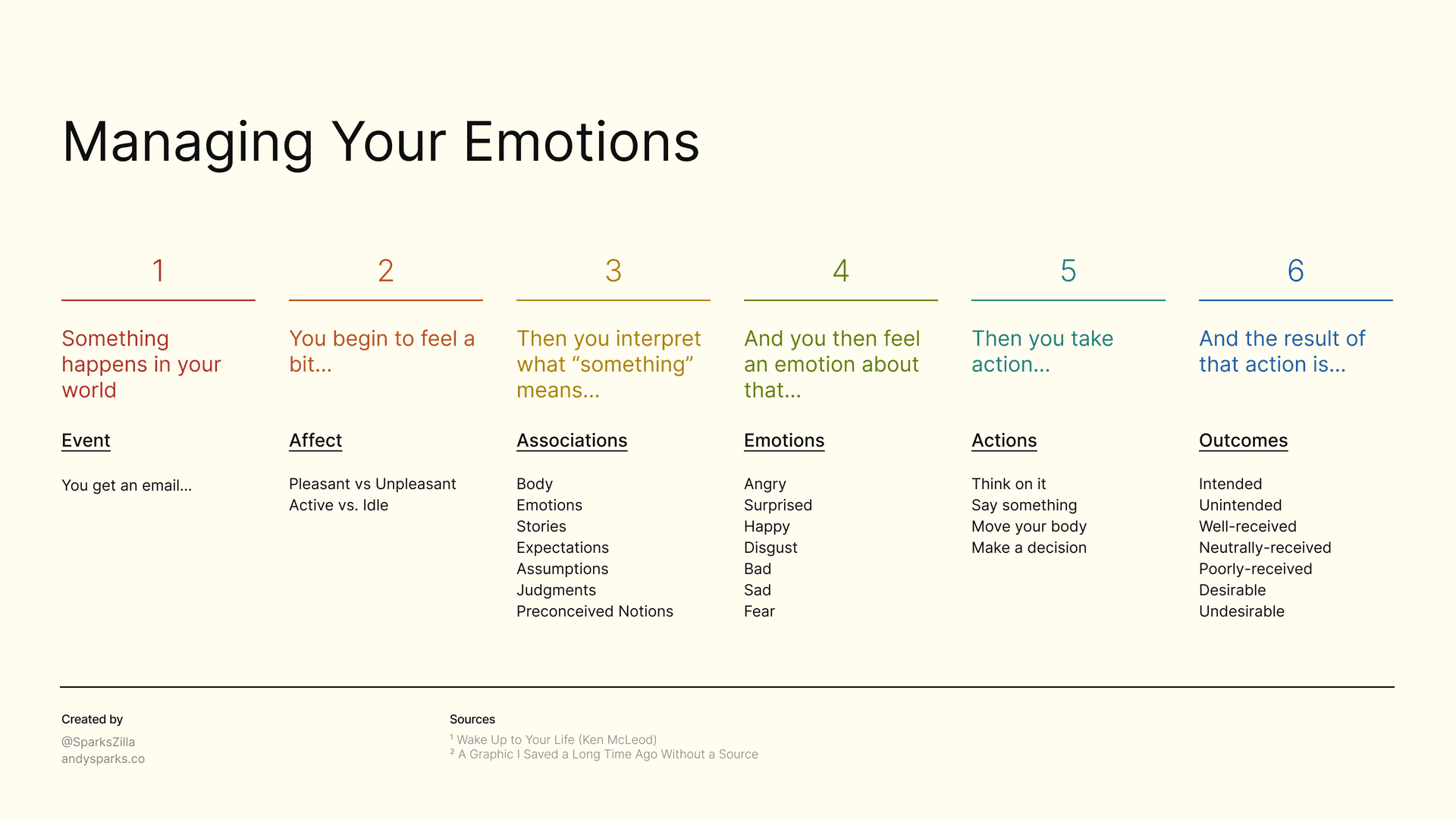
Self-Observation in Six Steps
The framework draws from Martin Heidegger's concepts of transparency (habitual autopilot behavior) and breakdowns (unexpected disruptions). The process involves:
- Notice breakdowns when expectations shatter
- Identify emotional response (pleasant, neutral, or unpleasant)
- Recognize interpretations and stories created about events
- Acknowledge emotional reactions to those narratives
- Choose conscious actions rather than habitual responses
- Observe behavioral impact on yourself and others
The six-step model demonstrates how extended chains of perception, emotion, and behavior create consequences. Self-awareness enables leaders to interrupt destructive patterns before they damage relationships or outcomes.
Reads & Resources
Articles:
- What I Learned About People Who Scale - Pedro Franceschi discusses how high-growth environments demand constant personal evolution alongside organizational change.
Audio:
- Lex Fridman #294 - Tony Fadell - Explores product management philosophy and the collective responsibility for understanding customer value before development begins.
Books:
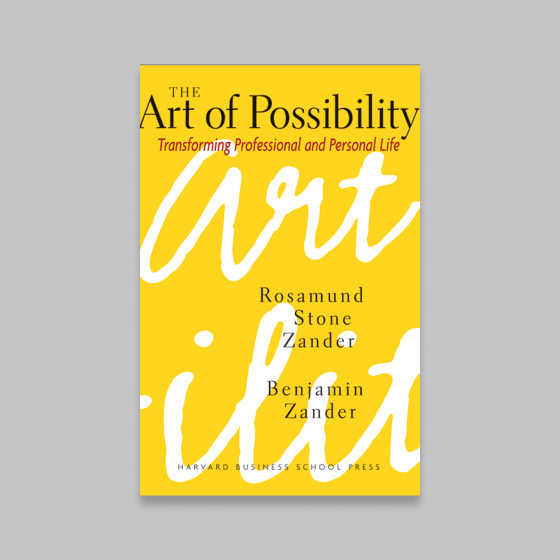
- The Art of Possibility - Co-authored by Rosamund Stone Zander and Benjamin Zander, featuring practical approaches to bold thinking.
- Wake Up to Your Life - Ken McLeod's framework on self-observation
Resources:
- Practical Typography - Matthew Butterick's guide to typography fundamentals for designers and founders